

It’s one of the most common questions Dallas-area drivers ask after a rock cracks their windshield on the highway: if I file a glass claim, will my insurance rates go up? The hesitation is understandable — nobody wants a routine repair to trigger a premium increase that costs more over time than the repair itself. The good news is that understanding does filing a glass claim raise insurance rates in Texas is more straightforward than most drivers expect — and in many situations, a glass claim carries far less financial risk than people assume.
At Jacobs Low Price Auto Glass, we’ve been helping Dallas drivers navigate windshield repairs and replacements since 2000, and we’ve fielded this question countless times. This guide breaks down exactly how glass claims work, what effect they typically have on your premium, and when paying out of pocket is the smarter move.
Why Glass Claims Are Treated Differently Than Other Claims

Not all insurance claims are created equal. The type of claim you file has a direct bearing on how your insurer evaluates your risk profile — and therefore whether your rates are likely to change at renewal.
Auto insurance claims generally fall into two categories. Collision claims cover damage caused by an accident involving another vehicle or a fixed object. Because these involve driver behavior, insurers view them as indicators of driving risk, and they commonly result in rate increases — especially if you are found to be at fault. Comprehensive claims, on the other hand, cover damage from events entirely outside your control: road debris, hail, falling objects, vandalism, fire, and theft. A rock that chips your windshield on I-35 is a comprehensive claim. You didn’t do anything wrong, and your insurer knows it.
Because comprehensive claims are no-fault events, the vast majority of insurance carriers in Texas do not apply a surcharge or rate increase for a single glass claim. Filing one comprehensive glass claim is unlikely to change what you pay at renewal — and in many cases, will have no impact at all.
The Important Caveat: Frequency Matters
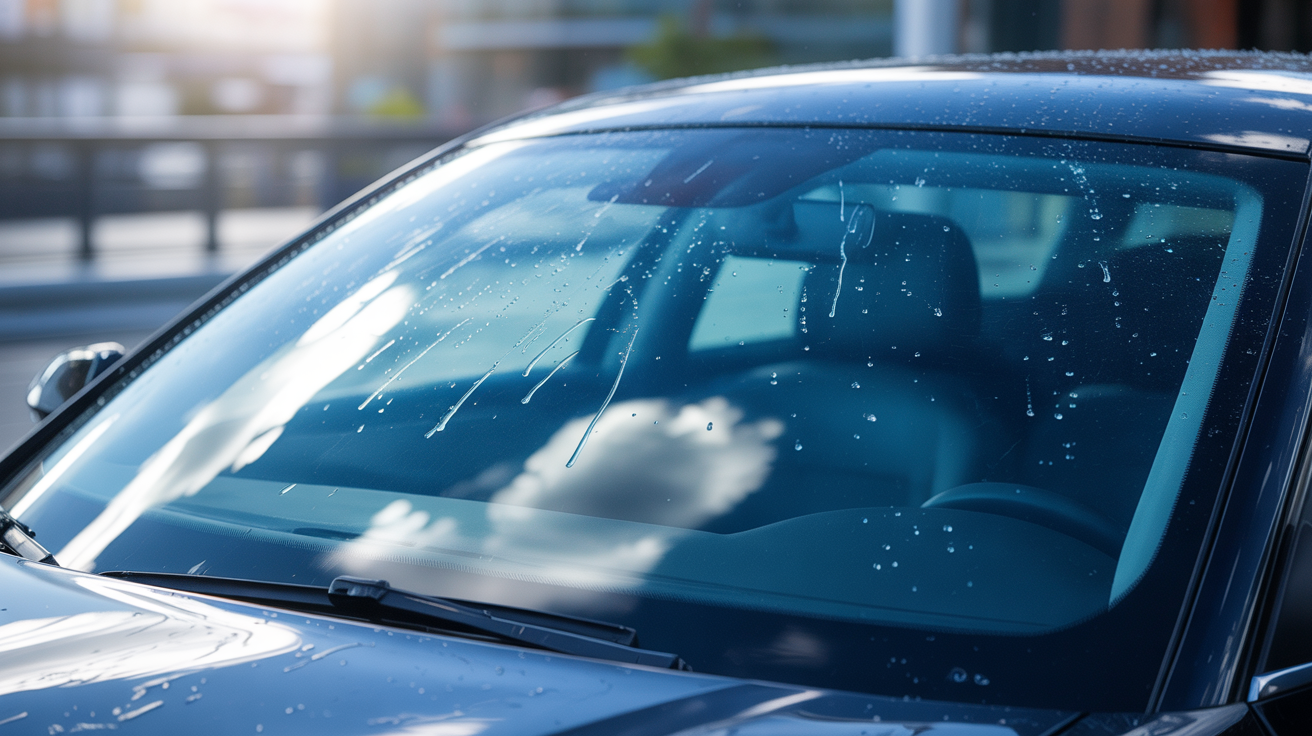
While a single glass claim almost never triggers a rate increase, claim frequency is a different story. Insurance companies look at your overall claims history when evaluating your policy at renewal — and multiple comprehensive claims in a short window can raise a flag, regardless of whether each individual claim was no-fault.
Most insurers begin paying attention when a policyholder files two or more comprehensive claims within a three-year period. After three or more claims in that window, some carriers may treat the policy as higher-risk and apply an adjustment at renewal, decline to renew the policy, or require a higher deductible going forward. The exact thresholds vary by carrier, state regulations, and individual policy terms — but the general principle holds: one glass claim is typically harmless; a pattern of repeated claims draws scrutiny.
This is particularly relevant for DFW drivers. Dallas highways are hard on windshields. Construction zones, debris from commercial trucks, and the sheer volume of traffic on corridors like I-30, I-20, and US-75 mean that chips and cracks are a recurring reality for many drivers. If you find yourself dealing with windshield damage more than once in a few years, it’s worth thinking strategically about when to file and when to pay directly.
Comparing Your Deductible Against the Real Cost of Repair
Even setting aside any concern about rate increases, there’s a straightforward financial question worth asking before every glass claim: does filing actually save you any money?
Comprehensive deductibles on Texas auto policies typically range from $100 to $500, with $250 and $500 being among the most common. If your deductible is $500 and a windshield chip repair costs $80 to $120, filing a claim doesn’t save you anything — you’re responsible for the full cost either way. And you’ve added a claim to your record in the process.
Even for full windshield replacements, the math often favors paying directly. Jacobs Low Price Auto Glass maintains one of the largest in-shop auto glass inventories in the DFW area, and our pricing reflects our commitment to being the most affordable option in the market. In many cases, our replacement cost comes in at or below a standard $250 or $500 deductible. When that’s true, paying us directly is faster, simpler, generates no claim record, and costs the same or less than going through your insurance company.
We’ll always give you a free, no-obligation estimate before any work begins — so you can compare it against your deductible and make the call that makes the most sense for your situation.
When Filing a Glass Claim Does Make Sense
Paying out of pocket isn’t always the right answer. There are situations where filing a comprehensive glass claim is clearly the better financial decision:
- Your deductible is low. If you have a $100 comprehensive deductible and you’re facing a full windshield replacement, filing the claim saves you real money with minimal risk to your premium.
- You have a glass endorsement. Some Texas policies include a glass endorsement that covers auto glass repair or replacement with a reduced or waived deductible. If you’re paying for this coverage, using it is exactly what it’s designed for.
- The replacement cost is significantly above your deductible. For vehicles with premium or specialized windshields — those with embedded heads-up display technology, lane departure cameras, or acoustic glass — replacement costs can run well above average. In these cases, even a $500 deductible leaves meaningful savings on the table.
- You haven’t filed any recent claims. If your comprehensive claims history is clean for the past three or more years, a single glass claim carries virtually no risk to your rates and may be well worth filing.
What to Do Before You Decide
Before making any decision about filing or paying directly, a few quick steps can save you time and money:
- Get a repair estimate first. Call Jacobs Low Price Auto Glass at (214) 372-9300 for a free quote. Knowing the actual repair cost is the foundation of any smart claims decision.
- Check your deductible. Pull up your policy declarations page or call your agent to confirm your comprehensive deductible amount.
- Ask your agent about rate impact. A quick call to your agent asking “will this affect my rates?” costs nothing and can give you direct clarity on your specific policy’s terms.
- Review your recent claims history. If you’ve already filed one or more comprehensive claims in the past two to three years, that context matters when weighing the risk of adding another.
Frequently Asked Questions About Glass Claims and Insurance Rates
Does filing a windshield insurance claim raise your rates in Texas?
In most cases, no. Comprehensive glass claims are no-fault events, and Texas insurers generally do not apply surcharges for a single glass claim. However, filing multiple comprehensive claims within a short period can affect your risk profile at renewal. Always confirm with your agent before filing.
What is the difference between a comprehensive claim and a collision claim?
A comprehensive claim covers damage from events outside your control — road debris, weather, vandalism. A collision claim covers damage from an accident. Collision claims are at-fault events that commonly trigger rate increases. Comprehensive glass claims are no-fault and generally do not carry the same premium impact.
Can too many comprehensive claims raise my rates over time?
Yes. While a single glass claim is rarely penalized, filing multiple comprehensive claims within three years can flag your policy as higher-risk at renewal. If you deal with windshield damage frequently, consider a glass endorsement or evaluate whether paying out of pocket preserves your long-term claims record.
What is a glass endorsement and should I add it to my Texas policy?
A glass endorsement is an add-on to comprehensive coverage that covers auto glass repair or replacement with a reduced or waived deductible. For drivers who frequently travel DFW highways where road debris is a consistent hazard, it can pay for itself after a single use. Ask your agent what it would cost to add to your current policy.
When is it better to pay for windshield repair out of pocket?
When the repair cost is at or below your deductible, when you’ve already filed recent claims, or when you’re approaching a policy renewal. Jacobs Low Price Auto Glass pricing is frequently at or below the cost of a standard comprehensive deductible, making direct payment a fast and financially sound choice for many drivers.
How do I know if my windshield damage qualifies as a comprehensive claim?
Windshield damage from road debris, hail, falling objects, or vandalism qualifies as a comprehensive claim. Damage from a vehicle accident may fall under collision coverage. Your insurer’s claims department can confirm the correct coverage category based on how the damage occurred.
The Bottom Line: One Glass Claim Is Usually Safe — But Know Your Numbers
Filing a single comprehensive glass claim in Texas is unlikely to raise your insurance rates. But “unlikely” isn’t “never” — and the smartest approach is always to compare the actual repair cost against your deductible before deciding. When the numbers are close, paying directly is faster, leaves no claims record, and often costs the same or less.
Jacobs Low Price Auto Glass has been the trusted choice for Dallas drivers since 2000. Whether you’re filing a claim or paying out of pocket, we offer free estimates, competitive pricing across the DFW area, a large in-shop inventory for same-day service, and the experience to handle any windshield repair or replacement correctly. Call us at (214) 372-9300 — we’ll help you understand your options and get your vehicle taken care of quickly and affordably.